Building licences and the cédula de habitabilidad in the Canaries: the three titles, the four-year clock and the papers a buyer must see before signing
 Olga Caballero & Co.Law firm · Tenerife & Fuerteventura
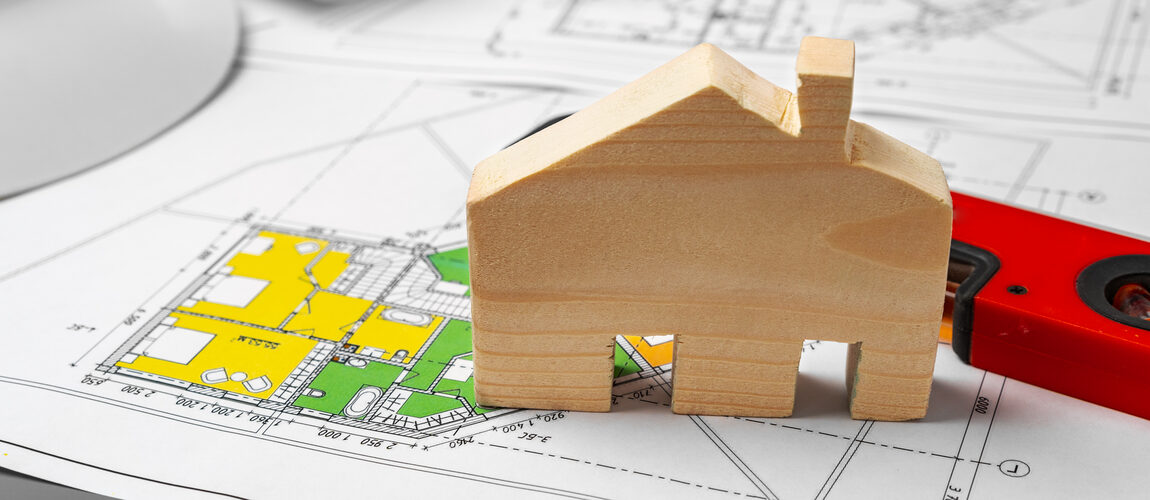
A couple from Rotterdam are about to sign for a villa in Callao Salvaje, in the municipality of Adeje. The house was built in 1998 with its licence and its old habitability certificate; the pool appeared in 2009 and the covered terrace was glazed and turned into a dining room in 2023, and neither of the two has a paper behind it. The Land Registry describes 180 m²; the surveyor measures 215 m². The questions they bring to our Costa Adeje office are the ones every buyer and every owner on the island asks sooner or later: which works needed a permit, which of the missing papers still matter, can the town hall order a demolition, will the water and electricity contracts pass into their names, and what will the notary ask on the day. This piece reads the Canary land law, its 2018 regulation, the 2006 habitability decree, the new 2026 licensing law and the state rules on deeds, taxes and the coast, and then applies them to the villa. Quotations are in Spanish with the reading in English.
Three titles for works, and one that needs none
The Canary land law, Ley 4/2017, sorts every act of building into three boxes. The first is the municipal licence: Están sujetas a previa licencia urbanística municipal las actuaciones que seguidamente se relacionan — the following acts are subject to a prior municipal planning licence (article 330.1) — and the list includes Las obras de construcción, edificación e implantación de instalaciones de nueva planta en el suelo, vuelo o subsuelo — new construction, building and installations on, over or under the ground (330.1.c) — and, the one that catches most owners of a villa, Las obras de ampliación de toda clase de construcciones, edificios e instalaciones existentes, así como las de modificación general de la fachada o el acristalamiento de terrazas existentes afectante al conjunto de la fachada — extensions of any existing building and general changes to the façade or the glazing of existing terraces that affects the whole façade (330.1.f). A pool is a new installation in the ground; a glazed terrace is an extension. The same list covers prefabricated houses, demolitions, Cerramientos y vallados perimetrales y de protección que requieran cimentación de profundad superior a cincuenta centímetros — perimeter walls and fences with foundations deeper than fifty centimetres (330.1.t) — and, tellingly, La legalización de cualquier actuación sujeta a licencia o a comunicación previa, salvo por defectos subsanables afectantes a esta — the legalisation of anything that needed a licence or a prior communication (330.1.ñ).
The second box is the prior communication, a document the owner files and that needs no reply: Estarán sujetas a comunicación previa, sin precisar licencia urbanística, las actuaciones siguientes — the following acts are subject to a prior communication, with no licence required (article 332.1). Here sit Obras de conservación, restauración, reforma, rehabilitación o reestructuración de edificaciones e instalaciones, siempre que no afecten a edificios catalogados ni supongan incremento de volumen o edificabilidad — conservation, restoration, reform and rehabilitation works that do not touch a listed building and add no volume or floor area (332.1.a) — the Cambio de uso de los edificios y las instalaciones — change of use (332.1.d) — fences without deep foundations, gardens and paving inside the plot, Instalación de placas solares fotovoltaicas sobre la cubierta de edificios, en las situaciones de conformidad, legal de consolidación o de fuera de ordenación — solar panels on roofs, even on buildings outside the plan (332.1.r) — and Instalación de puntos de recarga para vehículos eléctricos, con gas natural o gas licuado de petróleo (GLP) — charging points for electric vehicles (332.1.s). The third box is empty of paperwork: Las obras de conservación o reforma consistentes en la sustitución de acabados interiores de una vivienda o local, como solados, alicatados, yesos y pinturas, cuando no estén protegidos arquitectónicamente — replacing the interior finishes of a home, floors, tiles, plaster and paint, needs no title at all (article 333.1.c). Two rules close the map. Anyone may ask for a licence even where a communication would do, and the town hall must process it (332.3); and a work that was communicated but built against the rules solo podrá realizarse a través de licencia urbanística — can be legalised only through a licence (332.4).
| The work on a villa in the south of Tenerife | The title it needs | Where the law says so |
|---|---|---|
| A new pool, a garage, a room on the roof | Licence | Article 330.1.c and f |
| Glazing the terrace so that it changes the façade | Licence | Article 330.1.f |
| A boundary wall with foundations deeper than 50 cm | Licence | Article 330.1.t |
| A new kitchen and bathrooms with no change of volume | Prior communication | Article 332.1.a |
| Solar panels on the roof, a charger in the garage | Prior communication | Article 332.1.r and s |
| Moving into a newly finished house | Prior communication, one month before | Articles 332.1.c and 350.1 |
| New floors, tiles and paint | Nothing | Article 333.1.c |
How a licence is decided: three months, two reports and two kinds of silence
The decision is not a favour. La potestad resolutoria sobre la solicitud de licencias urbanísticas es de carácter reglado — the power to decide on a licence application is a bound power (article 339.1): if the project fits the plan, the licence must be granted, and it is granted dejando a salvo el derecho de propiedad y sin perjuicio de terceros — without prejudice to ownership or to third parties (339.3), which is why a licence never settles a boundary dispute with the neighbour. The file opens with the application, the project and proof of title (342.1), the town hall may ask once for what is missing (342.2), and then two reports follow in order, technical and legal (342.3). The clock is short on paper: El plazo para resolver y notificar la solicitud de licencias urbanísticas es de tres meses contados desde la presentación de la solicitud en cualquiera de los registros municipales — three months from the filing to decide and notify (article 343.1), a clock that stops while the applicant corrects a defective project (342.4).
What happens when the three months pass in silence depends on the work. For the heavy cases the law lists, silence is a refusal: El vencimiento del plazo establecido sin haberse notificado resolución expresa facultará al interesado a considerar desestimada su solicitud en los siguientes supuestos — the applicant may treat the application as refused (article 344.1) — and the list holds earthworks, Las obras de edificación — building works — new construction in rural land and prefabricated houses in rural land. For everything else silence grants: el vencimiento del plazo establecido sin haberse notificado resolución expresa legitima al interesado para entender otorgada, por silencio administrativo, la licencia solicitada, siempre y cuando lo solicitado no contravenga de manera manifiesta la legalidad urbanística vigente al tiempo de la solicitud o al tiempo del vencimiento del plazo, según cuál sea más favorable al interesado — the licence is deemed granted unless what was asked manifestly breaches the planning rules (article 345.1). A pool or an extension of a villa is a building work, so its silence is negative and the owner who starts digging after three months of nothing is building without a licence. Once the licence exists, the start of works requerirá, en todo caso, de notificación al ayuntamiento con al menos diez días de antelación a la fecha proyectada para dicho inicio — requires notice to the town hall at least ten days before the planned start (article 346.1); the licence fixes a period to begin and another to finish, which en ningún caso, podrán exceder de cuatro años para el comienzo ni de cuatro para su conclusión — may never exceed four years for each (347.2), extendable on request (347.5); and a building site must carry a sign visible from the street, since Todas las obras de construcción o edificación dispondrán de un cartel visible desde la vía pública, que indique el número y la fecha de la licencia urbanística — every building work displays a sign with the number and date of its licence (article 337.1). A buyer walking past a site in Adeje can read on the board whether the promoter has a licence at all.
The 2026 shortcut: bring your own technical report
The real problem in the south of Tenerife has never been the three months of the law but the many more of practice. The Canary Parliament answered with a decree-law in April 2025 and then with Ley 7/2026 of 31 July, published in the Boletín Oficial de Canarias on 14 August 2026 and in force the next day, since La presente ley entrará en vigor el día siguiente al de su publicación en el Boletín Oficial de Canarias — the law enters into force on the day after its publication (its thirteenth final provision). Its idea is simple: toda persona solicitante de una licencia urbanística podrá voluntariamente acompañar su solicitud de un informe técnico sobre el proyecto presentado emitido, directamente y a instancias de la persona interesada, por el colegio profesional competente o por una entidad urbanística de colaboración — any applicant may voluntarily attach to the application a technical report on the project issued, at the applicant's own request, by the competent professional college or by an accredited collaborating entity (article 5.1). Where that report finds the project compliant, it Excluirán la preceptividad del informe técnico municipal respecto de aquellos extremos del artículo 342.3.a) de la Ley 4/2017 sobre los que declaren la conformidad del proyecto examinado — removes the need for the municipal technical report on the points it certifies (article 7.2.a), although such reports Serán tenidos en cuenta en la resolución de los procedimientos, en cuanto informes no vinculantes — are taken into account as non-binding (7.2.c). The applicant pays for it: the fees of the college or the entity no podrán exceder de un importe entre el 0,5% y el 3% del presupuesto de ejecución material del proyecto objeto de informe en función de su grado de complejidad — may not exceed between 0.5 % and 3 % of the project's material execution budget, according to its complexity (article 8.2) — and carries its risks, because defects in a report the promoter brings se considerarán imputables a la persona o entidad promotora que los haya aportado — are attributed to the promoter who filed it (article 9.4). Two limits matter to an owner planning works this autumn: los ayuntamientos podrán, por acuerdo plenario, rechazar la posibilidad de que en su ámbito urbanístico de actuación se puedan aportar informes técnicos emitidos en régimen de colaboración a instancia directa del interesado — a town hall may, by a decision of its plenary, refuse to accept such reports filed directly by applicants (article 5.4), so the first question is whether Adeje, Arona or Guía de Isora has done so; and the mechanism reaches files already open, since the collaboration formulas podrán ser aplicadas tanto a los procedimientos de otorgamiento de licencias urbanísticas que se inicien tras su entrada en vigor como a los ya iniciados en dicha fecha — apply both to procedures started after the law and to those pending on that date (its sole transitional provision, paragraph 1). The law also rewrote article 342.3 and article 346 of the land law in the terms quoted above, and its text is the one to read until the consolidated law catches up.
The cédula de habitabilidad is gone, and what replaced it
Foreign buyers still ask for the cédula de habitabilidad, and estate agents still promise it, because for decades it was the document that made a Canary home a home. Decreto 117/2006 defined it: La cédula de habitabilidad constituye el documento que acredita la aptitud de una edificación destinada a vivienda libre para poder ser habitada — the certificate that proves a free-market dwelling is fit to be lived in (its article 4.1, in the original wording). That article no longer exists. The Canary regulation on planning control, Decreto 182/2018, in force one month after its publication of 9 January 2019 because El presente Decreto entrará en vigor al mes de su publicación en el Boletín Oficial de Canarias — the decree enters into force one month after its publication — states in its repealing provision that Quedan derogados los artículos 4 y 5 del Decreto 117/2006, de 1 de agosto — articles 4 and 5 of the 2006 decree are repealed — and that Todas las referencias contenidas en el dictado Decreto 117/2006, de 1 de agosto, a la cédula de habitabilidad y sus efectos se entenderán realizadas a la presentación de la comunicación previa a la primera ocupación o cambio de uso con destino a vivienda — every reference in that decree to the certificate and its effects is to be read as a reference to the filing of the prior communication of first occupation or of change of use to housing. Since 9 February 2019, then, no Canary town hall issues a cédula de habitabilidad for a new home. What exists is the prior communication of first occupation of article 332.1.c of the land law: Primera ocupación de las edificaciones y las instalaciones, concluida su construcción, de acuerdo con lo previsto en la legislación vigente en materia de ordenación y calidad de la edificación — the first occupation of buildings once their construction is complete.
That communication is not an empty form. It must carry Título habilitante de la ejecución de la obra o edificación y certificado final de la misma expedido por técnico competente, acreditativo de que la obra se ha ajustado al proyecto autorizado, en los supuestos de comunicación previa a la primera ocupación de edificaciones — the title that authorised the works and the final works certificate, signed by a competent technician, stating that the work matched the approved project (article 349.4.b), and the 2018 regulation adds that the certificate must state que la edificación, construcción e instalación cumple con los requisitos exigidos por la normativa técnica sectorial y urbanística para su inmediata ocupación y uso — that the building meets the technical and planning requirements for immediate occupation and use — and, for homes, that tratándose de viviendas, el certificado deberá acreditar la adecuación a las condiciones de habitabilidad exigidas en el Decreto 117/2006, de 1 de agosto — the certificate must prove compliance with the habitability conditions of the 2006 decree (its article 33.1.b). The conditions survive; the certificate that used to attest them is now the architect's, filed with the town hall. The timing is fixed twice: La presentación deberá tener lugar, en todo caso, quince días antes, como mínimo, del inicio de la obra, el uso o la actuación. En los casos de primera ocupación de edificación y las instalaciones dicho plazo mínimo será de un mes. — a prior communication is filed at least fifteen days before the work or the use begins, and one month before a first occupation (article 350.1), and the regulation repeats that La efectiva utilización y ocupación de la edificación o instalación sólo podrá producirse una vez transcurrido un mes desde la presentación de la comunicación — the building may be used and occupied only once a month has passed from the filing (article 33.2). The 2006 decree still works upstream, at the licence stage, where the town hall's technical report must check the project against those same conditions, since deberá emitirse informe favorable sobre la adecuación del proyecto presentado con las condiciones de habitabilidad previsto en el Decreto 117/2006 — a favourable report on the project's compliance with the habitability conditions must be issued before the licence (regulation, article 16.4). For a home finished before 2019 the old papers remain the papers: the licence of first occupation and the cédula issued at the time are what the seller shows, and neither expires by age. And for a home that never had a title at all, the regulation opens a narrower door: a prior communication of first occupation for buildings que se encuentren en situación de fuera de ordenación por carecer de título habilitante o por haber sido ejecutadas contraviniendo el otorgado — that stand outside the plan for lack of a title or for having been built against it (article 34.1), filed with a technician's certificate of structural safety and habitability, which lets the family live there without making the building legal.
Water and electricity follow the papers
The reason the first-occupation document matters on the day of the purchase is written in the land law's article on utilities: las empresas suministradoras de agua, energía eléctrica, gas, telefonía y telecomunicaciones exigirán la acreditación de calificación definitiva, cuando se trate de viviendas protegidas, o la presentación de la comunicación previa, acompañada de los documentos preceptivos, que habilite para la primera utilización y ocupación de las instalaciones — the water, electricity, gas and telecoms companies must require, before contracting, the final qualification of a protected home or the prior communication that authorises the first use and occupation (article 336.1). The 2006 decree said the same in the language of its time, that the companies no podrán facilitar dichos suministros a construcciones usadas como vivienda que carezcan de la correspondiente cédula de habitabilidad o calificación definitiva — may not supply buildings used as homes that lack the certificate (its article 6.1), a sentence that now reads, by the 2018 repeal, as a reference to the communication. A utility that connects a home without the papers commits a serious infraction (372.3.e). And the tap closes as fast as it opens: a suspension, stop or demolition order is notified to the companies (336.3), and La contratación de los suministros solo podrá tener lugar, y/o la suspensión de estos podrá levantarse, una vez que se haya procedido a la legalización de las obras, usos o edificaciones respectivas — supplies may be contracted, or restored, only once the works, uses or buildings have been legalised (336.4). In practice the companies in the south of Tenerife accept a change of holder on an existing contract with far less scrutiny than a new connection, which is why a villa that has had light and water since 1998 is a different purchase from a finished-but-never-occupied house whose promoter never filed the communication.
The four-year clock and the works that never prescribe
Every unlicensed work in the Canaries lives under one date: the day it was finished. The town hall may open a procedure to restore legality En el plazo de cuatro años desde su completa terminación, en el caso de construcciones, edificaciones e instalaciones sujetas a licencia u otro título habilitante equivalente — within four years from complete termination, for works subject to a licence (article 361.1.b), and within the same four years for works subject to a communication (361.1.c). Termination has a legal meaning: se entiende producida la completa terminación de las construcciones, edificaciones e instalaciones a partir del momento en que estén dispuestas para servir al fin o uso previstos sin necesidad de ninguna actuación material posterior, salvo obras de ornato y embellecimiento — a work is complete from the moment it can serve its purpose with no further material action beyond decoration (361.3), which is why the date of the first swim, not of the last tile, starts the pool's clock, and why the burden of proving that date, with aerial photographs, the cadastral record, invoices and the neighbours, falls on the owner who invokes it. An order once issued keeps its force En el plazo de diez años contados desde que la orden de restablecimiento goce de ejecutividad — for ten years from the day it becomes enforceable (361.2.c). When the four years pass with no procedure, the law does not forgive the work; it freezes it: las construcciones, edificaciones e instalaciones ilegales afectadas quedarán en la situación de fuera de ordenación — the illegal works pass into the situation of being outside the plan (361.4).
The clock does not run everywhere, and the exceptions are drawn for exactly the places where foreign buyers look. There is no time limit for buildings Sobre suelo rústico de protección ambiental calificado como tal con carácter previo al inicio de la actuación — on environmentally protected rural land classified as such before the work (361.5.b.1.º), nor En dominio público o en las zonas de protección o servidumbre del mismo — on public domain or in its protection or servitude zones (361.5.b.2.º), nor on listed heritage, roads, public open spaces or green zones. The coast is the case that matters from Los Cristianos to Playa San Juan. The Coastal Act sets that La servidumbre de protección recaerá sobre una zona de 100 metros medida tierra adentro desde el límite interior de la ribera del mar — the protection servitude covers a strip of 100 metres landward from the inner limit of the shore (Ley 22/1988, article 23.1) — and prohibits in it Las edificaciones destinadas a residencia o habitación — buildings for residence or habitation (article 25.1.a). The hundred metres are the general rule, not the only one: on land that was already classified as urban when the Act came into force in 1988, its third transitional provision keeps the servitudes con la salvedad de que la anchura de la servidumbre de protección será de 20 metros — with the proviso that the protection servitude is twenty metres wide (paragraph 3), so the official deslinde of each stretch of coast, not a tape measure from the sand, tells where a plot in Callao Salvaje stands. A pool or a bedroom built inside that strip without the State's authorisation is not saved by 2009, by 2013 or by any year; the four years never began.
Living «fuera de ordenación», and why it is not the same as «consolidación»
A prescribed illegal work is tolerated, not legalised, and the tolerance has a shape. In such buildings solo podrán realizarse las obras de reparación y conservación necesarias para garantizar la habitabilidad, accesibilidad y ornato legalmente exigibles — only the repair and conservation works needed for habitability, accessibility and appearance may be carried out — and always siempre que tales obras no supongan incremento de la volumetría o altura de la edificación existente — provided they add no volume or height (article 362.2). The unlicensed pool may be re-tiled and its pump replaced; it may not be enlarged, and the room built over it will never get a licence while the plan stays as it is. The situation is also causa expropiatoria por incumplimiento de la función social de la propiedad — a ground for expropriation for breach of the social function of property (362.4), with the illegal part excluded from the price. Buyers confuse this with a second, benign situation that the law keeps apart. Buildings erigidas de conformidad con la ordenación vigente en el momento de su ejecución o posteriormente legalizadas, que resultasen disconformes con la nueva regulación sobrevenida — erected in accordance with the rules in force when they were built, or legalised later, that a new plan has since left non-conforming (article 159.1) — fall into the Situación legal de consolidación, and there the owner se admitirán obras de mantenimiento, conservación, reforma, modernización, demolición parcial, consolidación, rehabilitación, remodelación, y ampliación — may carry out maintenance, conservation, reform, modernisation, partial demolition, consolidation, rehabilitation, remodelling and even extension within the new plan (article 160.1.a). A 1970s apartment block in Los Cristianos that today's plan would not allow is «consolidated» and can be renovated freely; a 2009 pool with no licence is «fuera de ordenación» and can only be kept. The two words look alike on a town-hall certificate and are worlds apart in value.
What the seller must show, and what the notary will ask
The buyer's list starts with the Land Registry and the Catastro, but the papers that answer the questions above come from the seller and the town hall. For the house: the building licence, the final works certificate, and the first-occupation title, which for a home finished before February 2019 is the licence of first occupation with its cédula, and for a later one the registered prior communication with the architect's certificate; the Libro del Edificio for anything built under the 1999 Building Act, since Toda la documentación a que hace referencia los apartados anteriores, que constituirá el Libro del Edificio, será entregada a los usuarios finales del edificio — all that documentation, which forms the Building Book, is handed to the final users (Ley 38/1999, article 7). For the extras: the licence or communication of each pool, garage, terrace and wall, or, failing that, proof of the year each was finished. From the town hall: a planning certificate, the cédula urbanística that the 2018 regulation names among the ways of informing citizens, La expedición de cédula urbanística, con el valor informativo y efectos previstos en la legislación de suelo — the issue of a planning certificate, with the informative value the land legislation gives it (its article 2.2.a) — and a statement that no disciplinary file is open on the plot. When the seller bought a plot with a licence and never finished, the licence itself changes hands only if the transfer is notified, because Las licencias urbanísticas son transmisibles, debiendo comunicarse dicha transmisión, una vez operada, a la Administración, para que surta efectos ante la misma y sin lo cual quedarán el nuevo y el anterior titular sujetos a todas las responsabilidades que se derivaren — licences are transferable, the transfer must be communicated, and until it is both holders answer for everything (article 348). Buying from a developer before completion is a chapter of its own, with the bank guarantee and the licence as its two pillars.
The notary is the last checkpoint, and the state law gives the script. For a deed of new works under construction los notarios exigirán, para su testimonio, la aportación del acto de conformidad, aprobación o autorización administrativa que requiera la obra según la legislación de ordenación territorial y urbanística — notaries require the administrative act that authorises the work and a technician's certificate that the description matches the project (consolidated Land Act, Real Decreto Legislativo 7/2015, article 28.1); for finished works they require the completion certificate and the occupancy authorisations, salvo que la legislación urbanística sujetase tales actuaciones a un régimen de comunicación previa o declaración responsable, en cuyo caso aquellas autorizaciones se sustituirán por los documentos que acrediten que la comunicación ha sido realizada y que ha transcurrido el plazo establecido para que pueda iniciarse la correspondiente actividad — unless the regional law works by prior communication, in which case the proof that it was filed and that the waiting period has passed replaces them. That is the Canary case: the registered communication plus the month. For the old, prescribed pool the same article opens the door that estate agents call «obra nueva antigua»: a deed with a certificate from the town hall, a technician, a notary or the Catastro en las que conste la terminación de la obra en fecha determinada y su descripción coincidente con el título — stating the date of completion and a description matching the deed (28.4.a) — is registered, the registrar tells the town hall, and the town hall must then record by a marginal note la concreta situación urbanística de la misma, con la delimitación de su contenido e indicación expresa de las limitaciones que imponga al propietario — the exact planning situation of the work and the limits it imposes on the owner (28.4.c); if it fails to do so and a later buyer in good faith suffers a loss, la citada Administración deberá indemnizar al adquirente de buena fe los daños y perjuicios causados — the administration must compensate that buyer. The 2023 terrace cannot use that door, because its four years have not run: it is legalised through a licence, if the plan allows it, or it stays a liability that the price must reflect.
The price of doing it wrong
Works without a title are infractions, graded by size. The law treats as serious La realización de actos y actividades de transformación del suelo mediante la realización de obras, construcciones, edificaciones o instalaciones sin la cobertura formal de los títulos de intervención administrativa habilitantes que correspondan — carrying out works, constructions, buildings or installations without the formal cover of the required titles — cuando se trate de obras mayores; en otro caso, serán consideradas leves — when they are major works; otherwise they are minor (article 372.3.a), and as very serious the same works on protected land or on public domain, including land comprendidos en las zonas de protección o servidumbre de dicho dominio — within its protection or servitude zones (372.4.a). The scale is explicit: Infracciones leves: multa de 60 a 6.000 euros — minor, €60 to €6,000; Infracciones graves: multa de 6.001 a 150.000 euros — serious, €6,001 to €150,000; Infracciones muy graves: multa de 150.001 a 600.000 euros — very serious, €150,001 to €600,000 (article 373). The fine is separate from the order to restore, and the order has teeth of its own: multas coercitivas, que se podrán imponer mensualmente en cuantía de 600 a 3.000 euros cada una de ellas — coercive fines of €600 to €3,000 a month, con un máximo de diez — up to ten of them (article 368.1.a), followed by demolition at the owner's cost. One protection is written for families: where the work is a home in use, las medidas provisionales previstas en el presente apartado solo podrán adoptarse respecto de la actividad constructiva y no del uso residencial preexistente — provisional measures may be taken against the building activity, not against the pre-existing residential use (article 363.1). And the tax is due whether or not the licence existed. The construction tax accrues on any work for which a licence, a responsible declaration or a communication is required, se haya obtenido o no dicha licencia — whether or not the licence was obtained (consolidated Local Finance Act, article 100.1), at a rate the town hall sets sin que dicho tipo pueda exceder del cuatro por cien — which may not exceed four per cent of the material cost (102.3), and El impuesto se devenga en el momento de iniciarse la construcción, instalación u obra, aun cuando no se haya obtenido la correspondiente licencia — it accrues when the work starts, even without the licence (102.4).
The villa in Callao Salvaje, worked through
Take the couple's house. The 1998 building has its licence, its licence of first occupation and its cédula: those papers are valid today, the utilities are contracted and a change of holder is a formality. The pool was finished in 2009 with no licence; if the plot lies outside the 100 m coastal strip and on ordinary urban land, the four years ran out in 2013 and the pool is «fuera de ordenación»: it may be kept and repaired, never enlarged, and it can reach the Land Registry through the old-works route with a technician's certificate dating its completion, after which the town hall will annotate its situation. The terrace was glazed in 2023 and changed the façade; its four years run until 2027, and the town hall may still order the glass removed. The remedy is a legalisation licence under article 330.1.ñ, if Adeje's plan allows the extra floor area on that plot, at a cost that a technician's project, the licence fee and the construction tax fix: on a material cost of, say, €18,000 the tax is at most €720, and a fine for the unlicensed work may follow, minor or serious depending on whether the town hall treats a glazed terrace as a major work. If the plan does not allow it, the dining room is a room the buyers may lose and should not pay for. The deed will describe 180 m² plus the declared old works, never the 215 m² the agent advertised until the terrace is legal. And if the surveyor's plan shows the pool inside the coastal servitude, the advice changes completely: no year saves it, the seller carries the risk of an order at any time, and the price or the purchase has to answer for that.
| The clocks that decide the villa | The period | The article |
|---|---|---|
| Deciding a licence | Three months from filing | Ley 4/2017, 343.1 |
| Filing a prior communication before works | Fifteen days before | Ley 4/2017, 350.1 |
| Filing the first-occupation communication | One month before moving in | Ley 4/2017, 350.1 |
| Notice before starting licensed works | Ten days | Ley 4/2017, 346.1 |
| Validity of a licence | Up to four years to start and four to finish | Ley 4/2017, 347.2 |
| The town hall's power to order restoration | Four years from completion; none on protected land or the coast | Ley 4/2017, 361.1 and 361.5 |
| Enforcing an order once issued | Ten years | Ley 4/2017, 361.2.c |
Ten checks before you sign for a house with works
- Compare three descriptions of the house: the Land Registry, the Catastro and the surveyor's measurement; every square metre that appears in one and not in the others has a story.
- Ask the seller for the building licence, the final works certificate and the first-occupation title of the house, and for the licence or communication of each pool, garage, terrace and wall.
- For any work without a title, establish the year it was finished with aerial photographs, the cadastral history and invoices, and count four years from it.
- Check the plot against the coastal servitude, the rural land classification and any heritage listing: in those places the four years never run.
- Obtain the town hall's planning certificate and confirm that no disciplinary or legalisation file is open on the plot.
- Distinguish «fuera de ordenación» from «situación legal de consolidación» in whatever the town hall answers; the first can only be kept, the second can be renovated and extended.
- Ask the utility companies which title they will require to put the water and electricity in your name, and whether the existing contracts are provisional.
- If a work can be legalised, agree in the private contract who applies, who pays the technician, the fee and the construction tax, and what happens if the licence is refused.
- If a work cannot be legalised, price it as a liability or walk away; a deed that declares old works still leaves the town hall's marginal note on the registry entry.
- If you plan works of your own, decide with your architect which title each one needs, whether your town hall accepts the new collaboration reports, and file the communication or the application before the first lorry arrives.
In the Canaries a home is made legal by three papers and one date: the licence that allowed it, the certificate that says it was built as allowed, the first-occupation communication that lets it be lived in, and the day each unlicensed extra was finished. The cédula de habitabilidad that buyers still ask for was replaced in 2019 by that communication; the four years that owners count on stop at the coast, on protected land and on public ground; and a work that has prescribed may be kept, but never grown.
Our property team at the Costa Adeje office reviews the planning file of a house before the private contract is signed, obtains the town hall's certificates, dates the works that have no title, drafts the clauses that share the cost of a legalisation, and files the communications and applications for owners who build; the consultation is a paid one, quoted in advance. The service is described on our property law page, and the contact page has both offices' hours. Owners who share a building with others will find the community side, from works on common elements to the president's duties, in our guide for foreign owners in a community, and non-resident buyers following the debate on limits to their purchases in the islands will find where that proposal stands.
Common questions
Can I still get a cédula de habitabilidad for a house in Tenerife?
Not for a new home. Since 9 February 2019 the Canary regulation on planning control repealed the articles of the 2006 decree that created the certificate and replaced it with the prior communication of first occupation, filed at the town hall with the works title and the architect's final certificate. A home finished before that date keeps its old cédula and its licence of first occupation, which remain valid. A home that never had any title can only file a communication of first occupation as a building outside the plan, with a technician's certificate of structural safety and habitability, which allows occupation but does not legalise it.
The pool has no licence but it was built fifteen years ago. Is it legal now?
No, it is tolerated. Once four years have passed from its completion without a restoration procedure, the town hall can no longer order its demolition, but the pool passes into the situation of «fuera de ordenación»: it may be repaired and kept, it may not be enlarged or raised, and its situation is annotated when it reaches the Land Registry. The four years never run if the pool sits within the 100 m coastal protection strip, on protected rural land, on public ground or on a listed property, and the owner must be able to prove the completion date.
How long does a building licence take in Adeje or Arona?
The law gives the town hall three months from the filing to decide and notify, and the clock stops while you correct the project. For building works the silence of the town hall is a refusal, not a permit. Since August 2026 you may attach to the application a conformity report from the professional college or an accredited collaborating entity, at a cost of between 0.5 % and 3 % of the material budget, which replaces the municipal technical report on the points it certifies, unless the town hall's plenary has decided not to accept such reports.
Will the electricity and water companies give me a contract for a house with no first-occupation papers?
The law obliges them to ask for the first-occupation communication, or the old cédula, before contracting, and a company that connects a home without them commits a serious infraction. In practice a change of holder on a contract that already exists is treated differently from a new connection, so the question to settle before signing is whether the house has live, definitive contracts in the seller's name. A house that never filed its communication needs it, or the technician's certificate route for buildings outside the plan, before a new supply is contracted.
What happens if the town hall opens a file on the glazed terrace after I buy?
The procedure is directed at the property and its current owner, so you answer for it even though the seller built it. If the terrace can be legalised, you apply for a legalisation licence, pay the technician, the fee and the construction tax, and may still receive a fine for the unlicensed work. If it cannot, the order will require the glass removed within a period, with monthly coercive fines of €600 to €3,000 and, in the end, removal at your cost. That is why the private contract should either oblige the seller to legalise before completion or price the terrace as a liability.
This article is general information as of September 2026, not advice on any particular property; the texts cited are Ley 4/2017 del Suelo y de los Espacios Naturales Protegidos de Canarias in its consolidated wording, the Reglamento de Intervención y Protección de la Legalidad Urbanística de Canarias (Decreto 182/2018), Decreto 117/2006, Ley 7/2026 of 31 July, the consolidated Land Act (Real Decreto Legislativo 7/2015), the Building Act (Ley 38/1999), the consolidated Local Finance Act and the Coastal Act (Ley 22/1988). Municipal plans, rates and practice differ by town hall; a consultation with our property team is a paid service.
This note is general information, not legal advice. For advice on your specific situation, consult a lawyer.
Wondering how this applies to your case?
A first consultation in person or by video, in any of our twelve working languages.
Keep reading

Giving a home or money to your children in the Canaries: the 99.9 % gift-tax rebate, the income tax it does not cancel, and when waiting to inherit costs less

Buying off-plan in the south of Tenerife: the bank guarantee the law gives you, what to demand before paying, and what happens when the developer is late